Skip to content
Seedfall

An epic science fantasy trilogy

Humanity did not end. It was scattered.

1,280 humans remain in a galaxy that considers them extinct. Each of them carries a reach into the world beneath the world — and a planet, long silent, has been reaching back.

Coming soon.

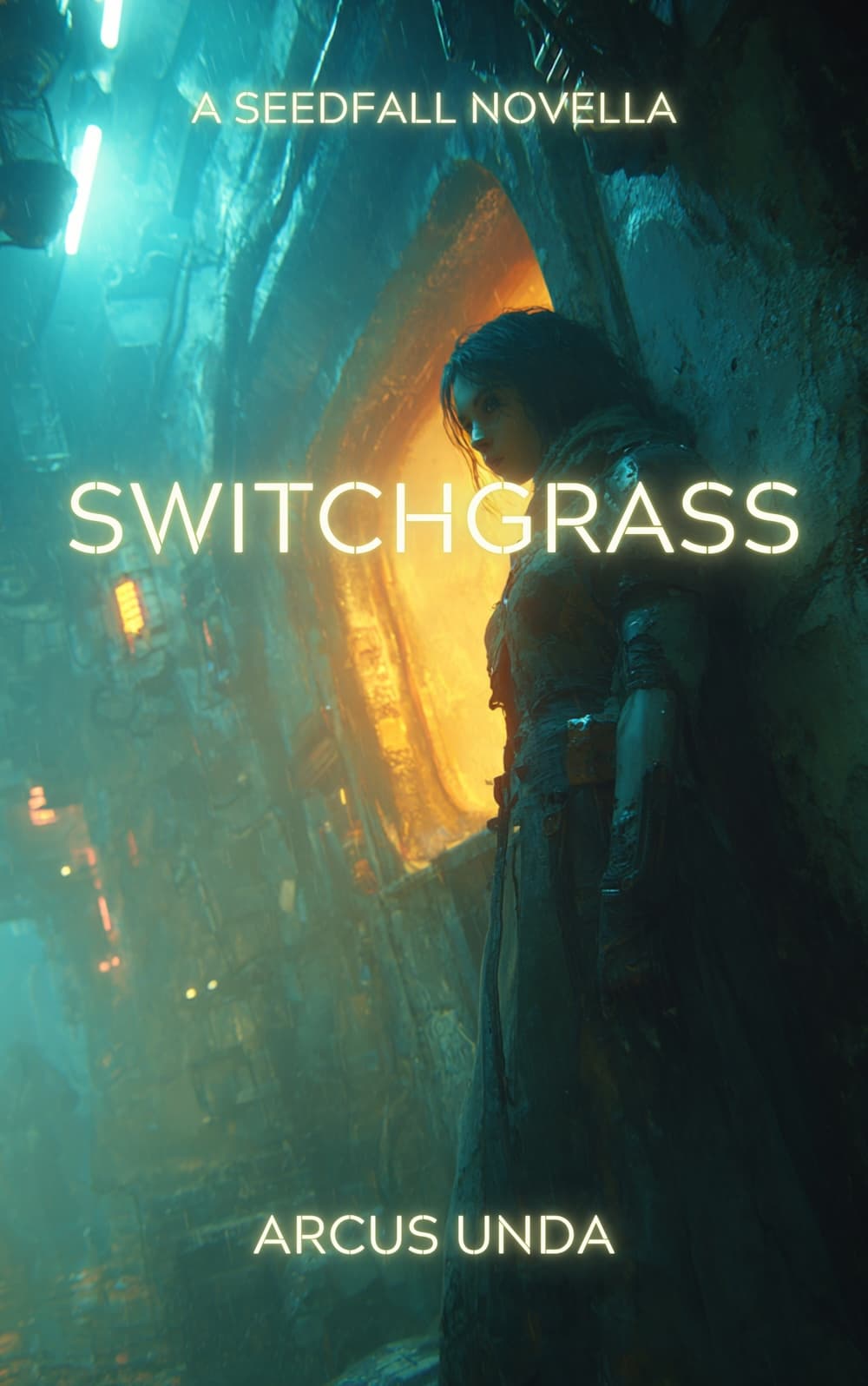
Switchgrass — cover

Prefer no signup? Read Switchgrass free.

A covert mission inside a facility where humans are studied and sometimes destroyed. The operative has done this before. The operative is about to fail at staying detached.

Coming soon

Something has been waiting.

The Seedfall Trilogy

Humanity occupied one solar system. It ended in a single generation. The galaxy moved on. Earth did not.

Now 1,280 humans exist — resurrected from salvaged DNA and scattered across civilizations that study them, collect them, and trade them like relics of a dead religion. They are the rarest beings alive. And every one of them carries something no one else in the galaxy can: a capacity to reach into the substrate beneath the world, where the distances we take for granted do not hold, and where a planet they have never seen has been reaching back.

Their bodies remember a world their minds have never known.

What is waking up inside them is not a power. It is a reach — a capacity unique to their species, toward a substrate beneath the physical world that no other civilization can touch. It cannot be extracted, replicated, or controlled. It can only be entered. And every faction in the galaxy wants to reach it first: the researchers who would study it, the captors who would weaponize it, and something far older, which has reasons of its own for not wanting humanity to finish what Seedfall interrupted.

Across the galaxy, Earth is waiting. It has healed into something no fleet can penetrate and no non-human consciousness can survive. And beneath its forests and oceans, something vast and patient is listening for the sound of its children coming home.

For readers of Frank Herbert’s Dune, N.K. Jemisin’s The Broken Earth, and Adrian Tchaikovsky’s Children of Time.

Characters

Three questions at the heart of the trilogy.

Reed

Can you see everything and still see the people standing in front of you?

He sees connections other people miss — patterns in data, structures in systems, relationships between things that should have nothing to do with each other. He has always dismissed this as an analytical quirk. A useful one, but nothing more.

He is wrong about that.

Reed was resurrected from preserved human DNA and raised on a remote moon estate by a Zephrith scientist who became, in every way that matters, his mother. He has never met another human. He knows his species only through fragmentary records and the academic observations of aliens who study humanity the way archaeologists study ruins. He is brilliant, isolated, and carrying something he has mistaken for a quirk of perception. It is not a quirk. It is the beginning of the most dangerous and most beautiful transformation a human being can undergo.
Lyra

Can you trust something that moves through you without asking?

Her body knows things her mind has never learned.

Movements she was never taught. Rhythms from an evolutionary past so deep it predates language. Physical intelligence that surfaces without warning and without her consent — ancient patterns playing through her like music through an instrument that didn't agree to be played.

Lyra has survived years in captivity by learning exactly how much of herself to reveal and how much to hide. She is not waiting to be rescued. She is waiting for the right moment. When she meets Reed, his presence does something nothing else has: it makes her body feel like hers again, even when the old rhythms come. That discovery changes her calculations about everything.

Maya

Can you hold the full weight of history and still believe the present moment matters?

She remembers everything. That is not the gift it sounds like.

The longest-awake human in the galaxy, Maya has survived more owners, facilities, and cages than she cares to count. She has watched other humans manifest abilities that defy explanation — and watched them die when those abilities were forced rather than allowed. She carries decades of knowledge in a mind that forgets nothing: every corridor mapped, every shift change memorized, every vulnerability catalogued.

Her pragmatism is not personality. It is survival. The alternative to staying fiercely rooted in the present moment is drowning in accumulated time — losing hours, then days, to a consciousness that cannot distinguish between now and centuries ago. She holds the weight of history because someone has to. She acts in the present because the present is the only place where anything can change.

Novellas

Two transmissions. Two points of entry.

Switchgrass — cover

A Novella of the Seedfall Universe

Switchgrass

Coming soon.

Before the escape. Before the awakening. Before anyone knew what was coming.

A Remnant Collective operative walks into a Zephrith research facility — one of many across the galaxy where resurrected humans are studied, catalogued, and sometimes destroyed. The mission is straightforward: confirm a subject’s status, assess extraction viability, file a report. Get in. Get out. Don’t get attached.

The operative has done this before. The operative knows better than to let it become personal.

The operative is about to fail at that.

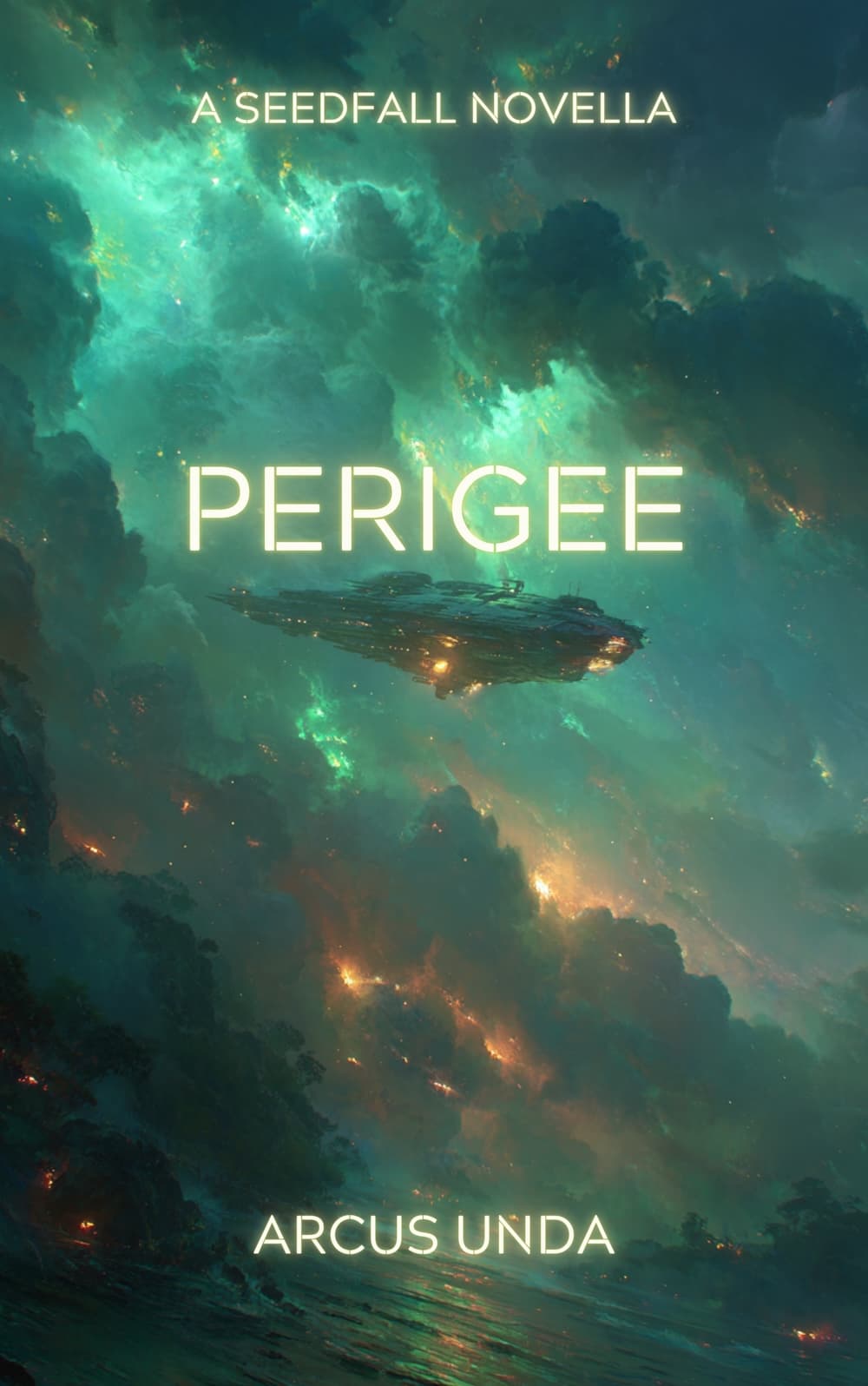
Perigee — cover

A Novella of the Seedfall Universe

Perigee

Coming soon.

They had planned for everything.

The turning-away that made previous crews quietly abandon their missions mid-approach. The gravitational anomalies that turned straight vectors into spirals. The temporal distortions that swallowed hours without explanation. The five-person Zephrith survey team had studied every failed expedition report in the archive. They had protocols. They had countermeasures. They had each other.

They were not prepared for what Earth actually did to them.

The mission was simple: achieve the closest controlled approach to humanity’s lost homeworld ever recorded, collect sensor data from within the outer perimeter, and return. Twelve days out. Twelve days back. No landing. No contact. No heroics.

The planet had other ideas.

What follows is not an invasion story. Nothing attacks them. Nothing boards the ship. Nothing needs to. Earth’s outer defenses don’t destroy intruders — they unmake certainty. And a crew that cannot agree on what is real cannot agree on anything else.

The Trilogy

Three books. One journey home.

Available on Amazon Kindle starting August 2026.

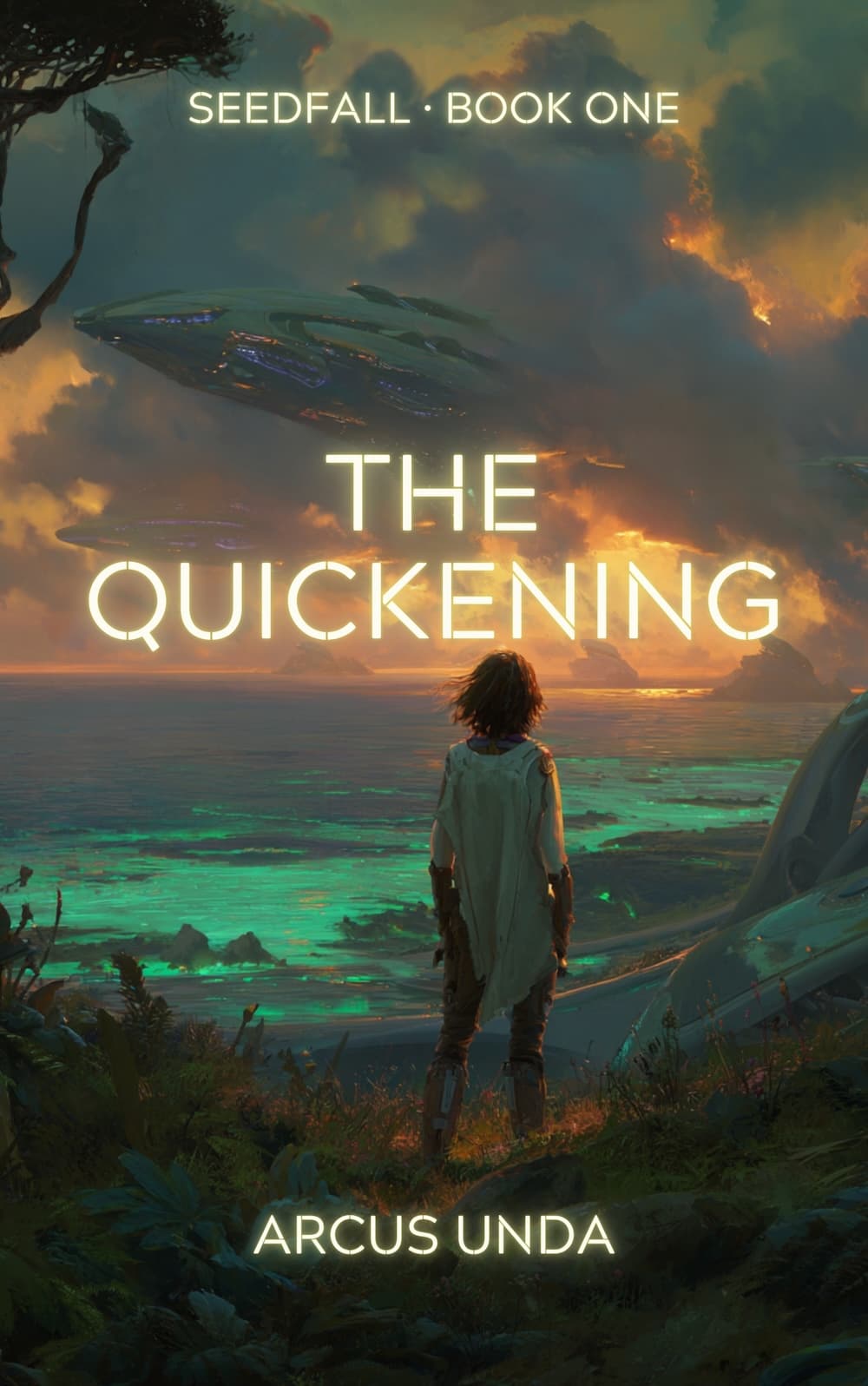
The Quickening, Book One of the Seedfall

Book One · August 2026

The Quickening

Reed has never met another human.

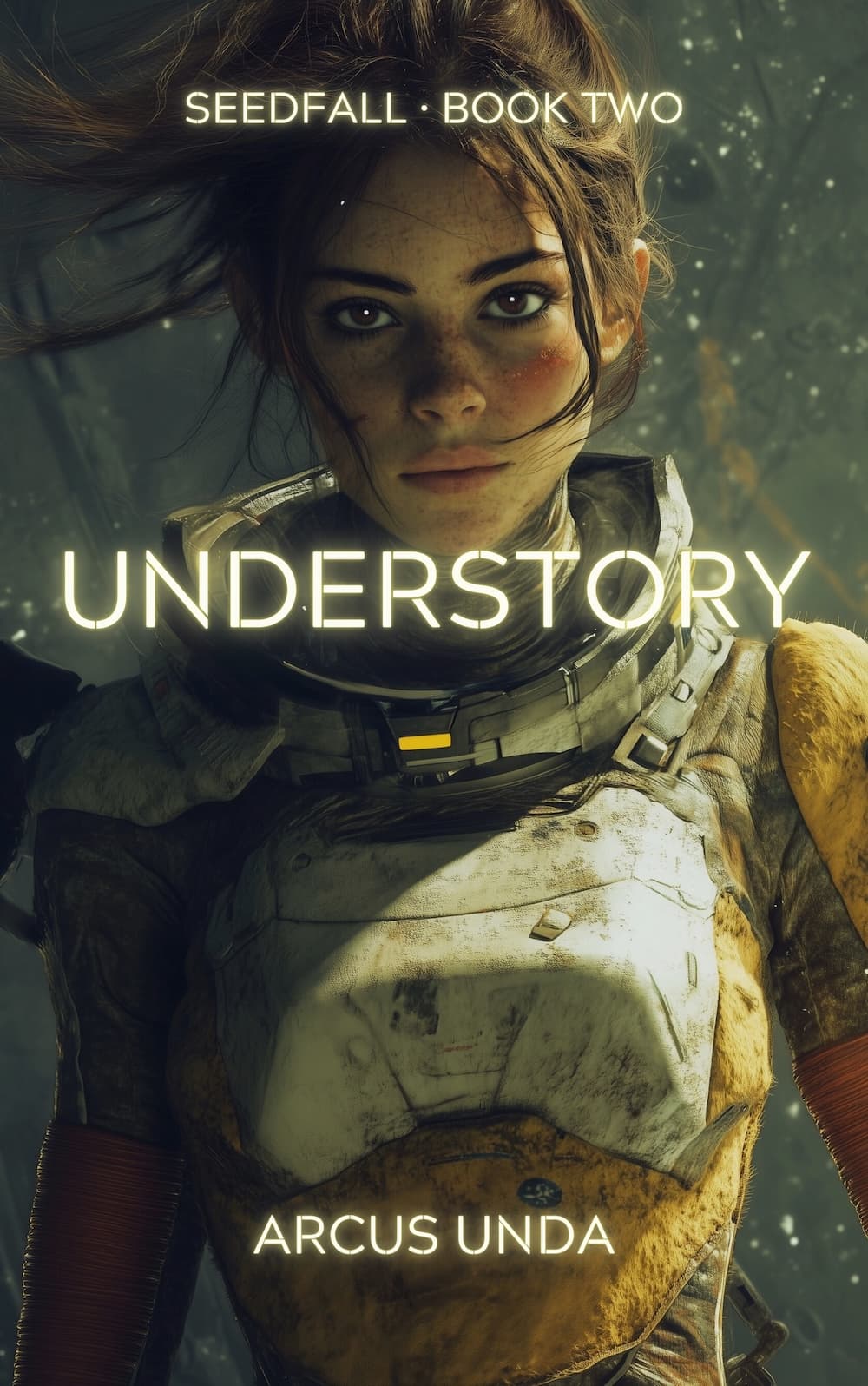
Understory, Book Two of the Seedfall

Book Two · September 2026

Understory

Freedom was the easy part.

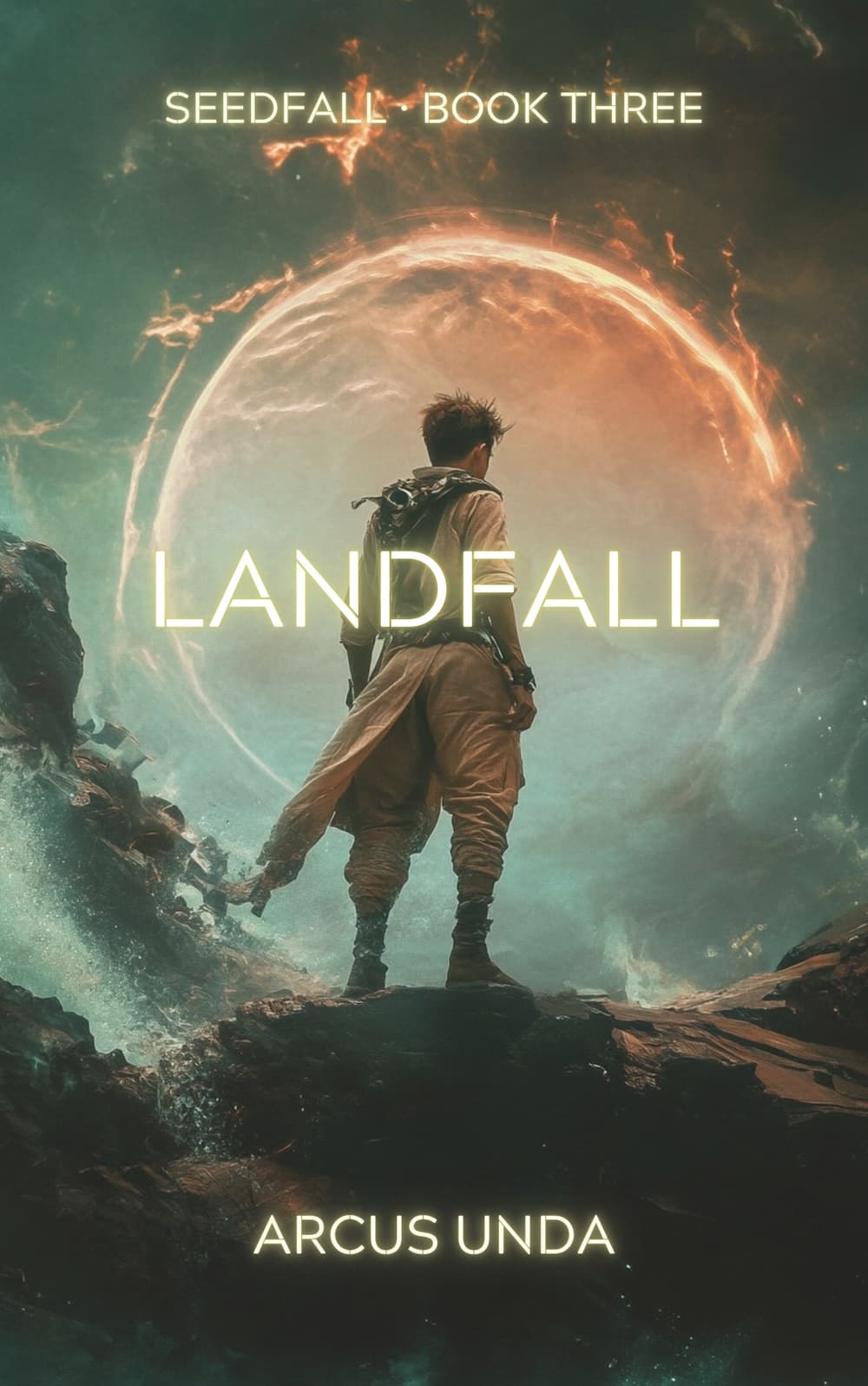
Landfall, Book Three of the Seedfall

Book Three · October 2026

Landfall

They scattered as seeds. They return as a species.